
HVAC Foil Tapes
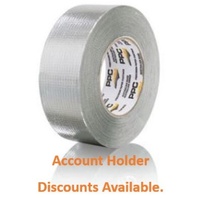
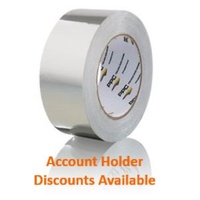
The Right Foil Tape Makes All the Difference in HVAC Systems
A leaking joint in an HVAC system isn't just an inconvenience - it's money walking out the door. When connections aren't properly sealed, the whole system works harder than it needs to, efficiency drops, and energy bills climb. The fix is simpler than most people think: the right foil tape, applied correctly, keeps everything airtight and your system running the way it should.
Read More
At WP Supplies, we stock a full range of HVAC foil tapes made right here in Australia by PPC - manufactured to Australian standards and tested for low VOC emissions, making them suitable for Green Star projects too. As PPC's chief Victorian distributor, we carry their complete foil tape range, ready to ship.
How to Apply HVAC Foil Tape - Getting It Right the First Time
Foil tape is straightforward to use, but a few simple steps make the difference between a seal that holds for years and one that starts lifting within months. Whether you're working with foil tape for ductwork or sealing foil tape insulation on walls and ceilings, the process is the same - preparation and pressure are everything. Here's how to do it properly:
1. Clean the Surface First
This is the step most people rush, and it's the one that matters most. Dust, grease, or any moisture sitting on the surface will stop the adhesive from grabbing properly. Give it a good wipe down and let it dry before you start.
2. Make Sure It's Completely Dry
Moisture is the enemy of a good bond - especially in cool rooms or refrigeration setups. Don't rush this part. If the surface isn't fully dry, the HVAC foil tape won't adhere the way it should, and you'll end up with edges lifting earlier than they should.
3. Cut or Tear to Length
PPC foil tape tears by hand, which is handy when you're mid-job and don't want to stop and find a knife. That said, if you need a clean straight edge, a utility knife or tape dispenser will do it more precisely.
4. Press It Down Firmly as You Go
Don't just lay the foil tape down and move on. Press firmly along the full length as you apply it - fingers work fine, or use a flat tool if you have one. You want full contact with the surface, no air pockets sitting underneath.
5. Don't Forget the Edges
The edges are where tape almost always starts to lift first, especially with foil tape insulation on uneven or irregular surfaces. Take an extra moment to press the edges down properly - corners included. It's a small thing that makes a big difference over time.
6. Check for Gaps or Bubbles
Once applied, do a quick visual check along the full length. Any bubbles, gaps, or sections that haven't fully adhered should be pressed down or re-taped before the job is signed off. For foil tape for ductwork especially, a proper seal here means fewer problems down the track.
A Few Things Worth Knowing
Apply foil tape in temperatures above 10°C where possible - cold surfaces can affect initial adhesion, even on tapes designed for high-temperature use.
On irregular or curved surfaces, apply in shorter sections rather than one long run to maintain consistent contact.
For ductwork joints under higher pressure, reinforced foil tape is the better choice - the scrim backing handles movement and stress far better than plain foil tape over time.
Frequently Asked Questions
What is HVAC foil tape used for?
It’s mainly used for sealing joints, seams, and connections in ductwork and insulation systems. If a joint isn’t really sealed right, air can escape; the whole thing ends up working harder than it has to, and then your energy bills show it. With a solid application of foil tape, everything stays pretty airtight, so the system runs more efficiently and more smoothly.
What's the difference between plain and reinforced foil tape?
Plain foil tape handles standard insulation and lighter ductwork jobs well. Reinforced foil tape has a scrim backing woven through it, which gives it extra tensile strength - better for heavier ductwork, joints that move, or anywhere that's going to take more stress over time.
Is PPC foil tape compliant with Australian standards?
Yes. Everything we stock is manufactured in Australia to Australian standards and tested for low VOC emissions, so it's suitable for Green Star-rated projects without any extra paperwork on your end.
Can foil tape handle high temperatures?
Yes, PPC foil tape for ductwork is specifically built for the high-temperature conditions that HVAC systems regularly run at. It's not going to soften or peel in the heat.
Do I need special tools to apply it?
No. PPC foil tape tears by hand, so you can work without stopping to find a cutter. If you want cleaner edges, a utility knife does the job, but it's not essential.
Where can I buy HVAC foil tape at trade prices?
Straight through the WP Supplies online shop. If you're not sure which tape suits your job, just get in touch with our team, and we'll help you work it out.